The people Summit serves
Seen for who they are
Children, teens and young adults arrive with different strengths and needs; many share a wish for mutual friendships.
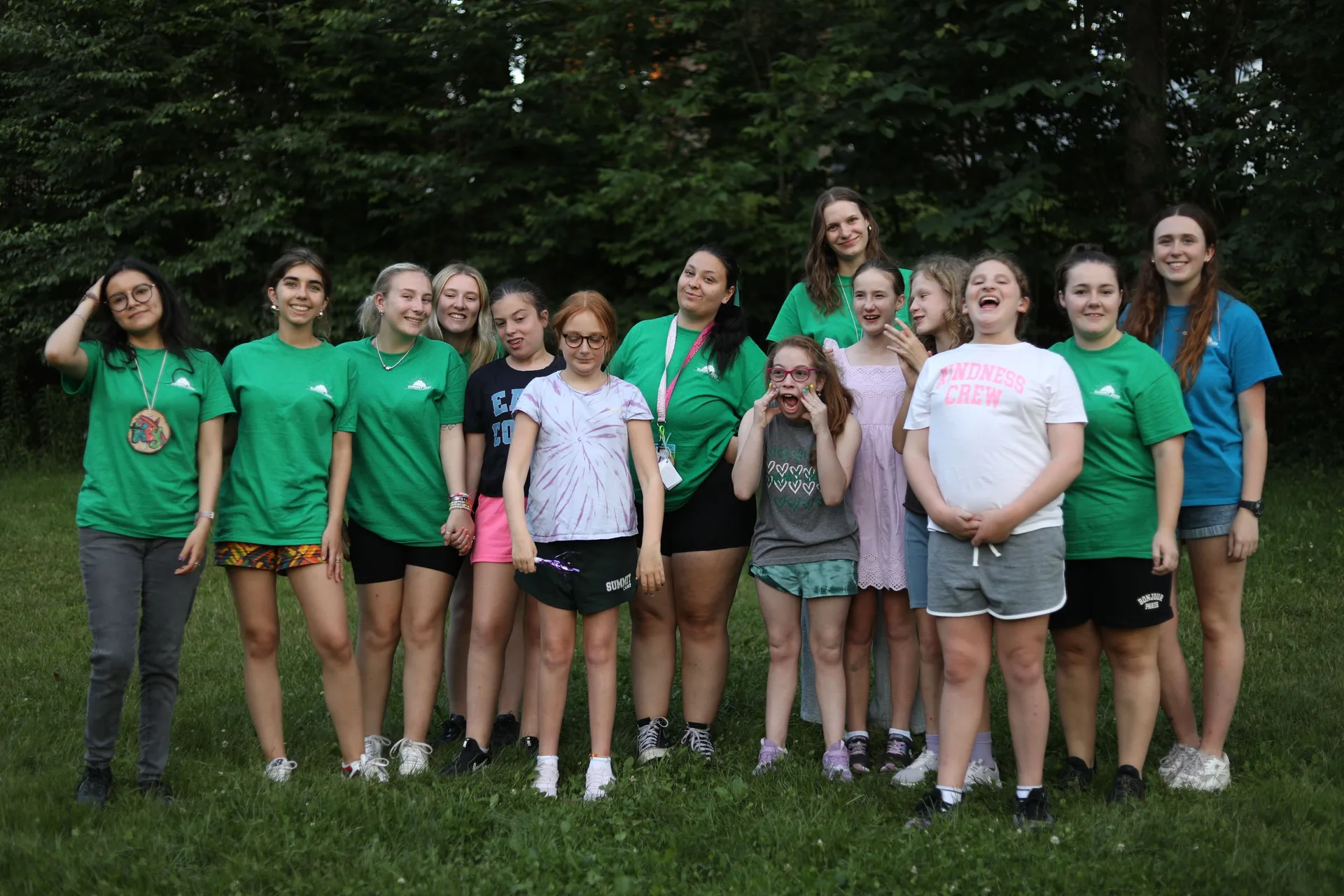
Many different paths to Summit
Summit’s published material mentions ADHD, autism spectrum differences, learning and communication differences, executive functioning challenges, sensory needs, anxiety and other social or emotional difficulties. A diagnosis alone does not define a participant or determine whether a program is a good match.
Some participants do well one-to-one with adults but struggle to build equal relationships with peers. Others have experienced exclusion or frustration in school or traditional recreation settings.
Belonging with support
Summit’s aim is to create an environment where young people can participate freely and receive support without losing the fun of camp. Staff consider social readiness, communication, daily living skills and the kind of structure a participant needs.
Families can describe the participant’s interests, strengths and challenges in a conversation about fit before applying.