A typical camp day
A day with room to grow
Structure gives campers a rhythm they can count on; variety makes each day their own.
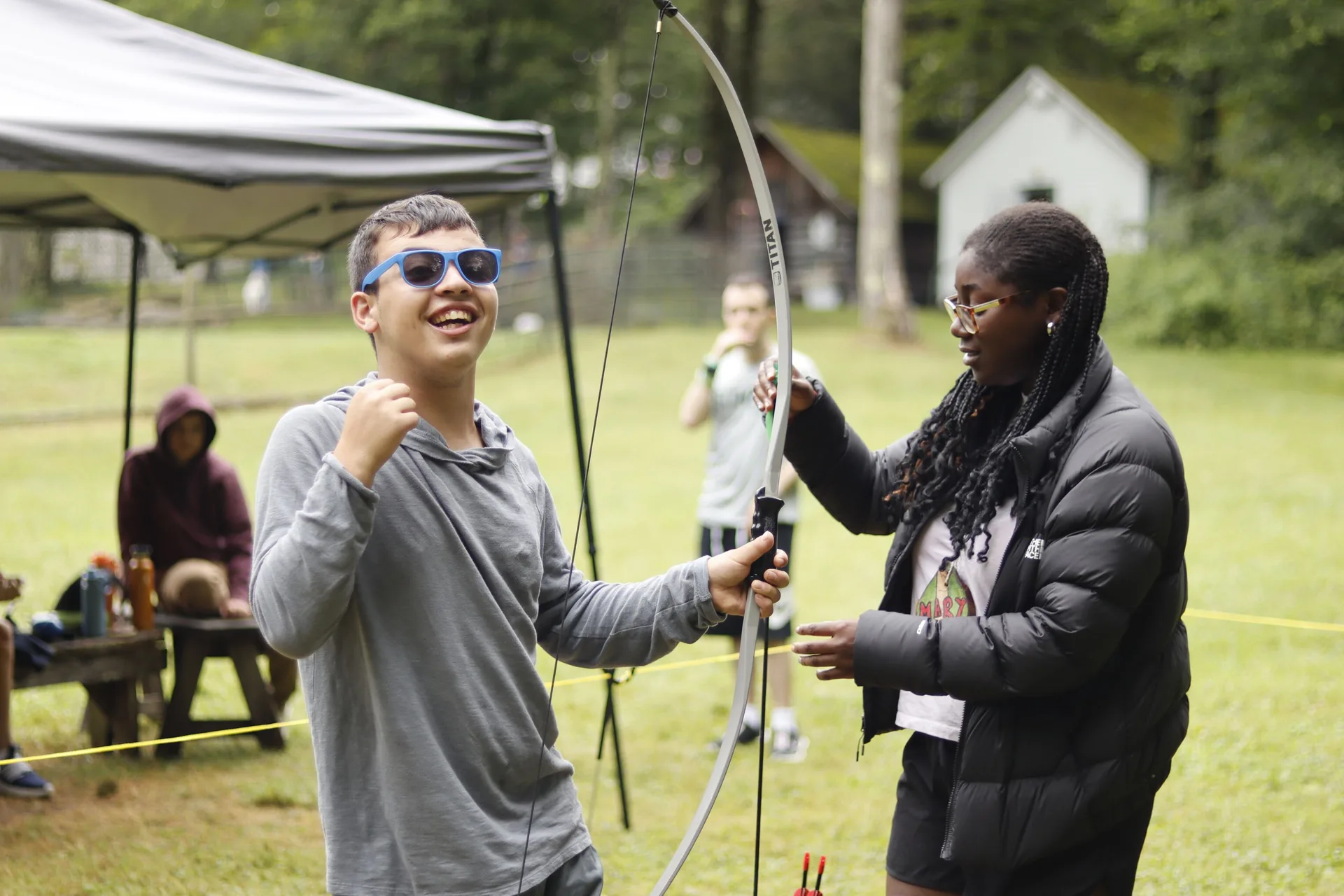
The shape of a day
A typical day moves from breakfast and cabin clean-up through three morning activity periods, lunch and rest hour, three afternoon periods, shower time, dinner, free time and an evening unit activity.
The six core areas are arts, nature and science, waterfront, adventure, athletics and social learning. Activities range from ceramics and boating to climbing, sports, mindfulness and practical life skills.
Something beyond the ordinary
Summit says each session has a trip day, often to a regional attraction. Younger campers usually return that evening; Super Teens may have an overnight component. The program also includes themed days and other shared traditions.
Meals, snacks and standard trip activities are described as part of the camp program; families should confirm current inclusions.
Support over pressure
Summit’s published philosophy avoids forcing a camper into an activity. Staff consider why participation feels hard—homesickness, past exclusion, sensory overload, uncertainty or a need for more choice—and adapt the approach.
The aim is a positive experience that builds confidence and participation over time.